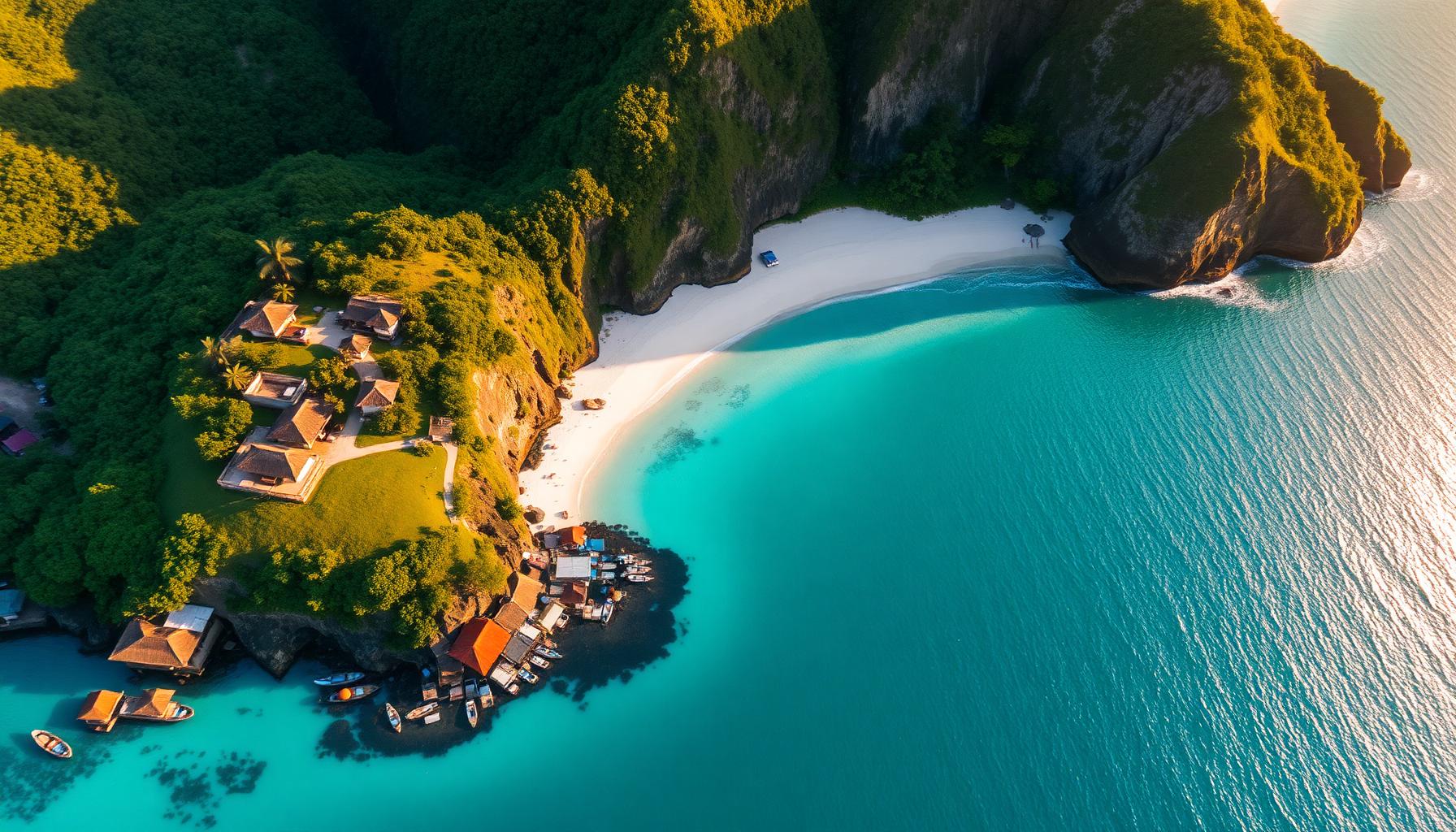
Sumba Travel Guide
Everything you need to know before visiting one of Southeast Asia's last wild frontiers
Getting to Sumba
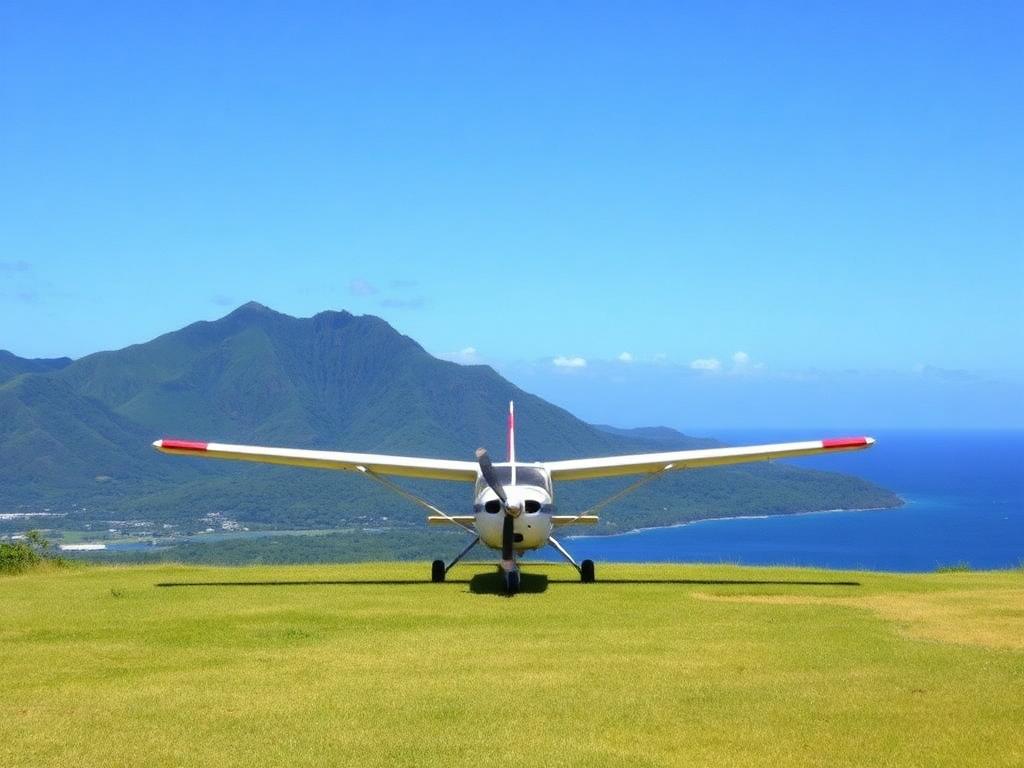
Sumba is more accessible than you'd expect. Two airports serve the island — Tambolaka in the west (closest to the beaches and resorts) and Waingapu in the east (the island capital). Most visitors fly from Bali in under an hour.
By Air
Daily flights from Bali to Tambolaka (TMC, West) or Waingapu (WGP, East). Wings Air and Nam Air operate 50-minute routes. Book 2–4 weeks ahead in peak season.
By Ferry
ASDP ferries connect Sape (Sumbawa) and Ende (Flores) to Waingapu. The overnight crossing takes 8–12 hours — adventurous but scenic.
On the Island
Hire a local driver (IDR 800K–1.2M/day) — the best way to explore. Roads are improving but remain unpaved in remote areas. 4WD recommended.
Where to Stay in Sumba
From world-renowned luxury resorts to authentic village homestays — Sumba offers a stay for every traveller and every budget.
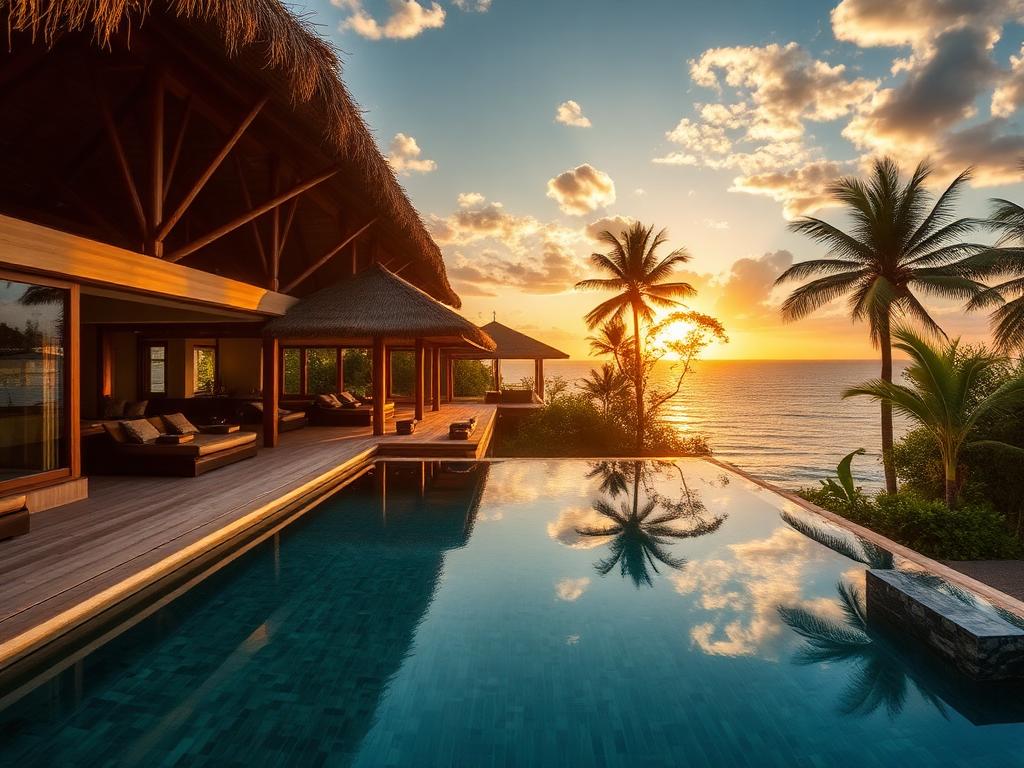
Luxury Resorts
$300–$2,500/nightNihi Sumba (formerly Nihiwatu), Lelewatu Resort, Alamaya Resort, Maringi Eco Resort — world-class stays with cultural immersion and sustainability at their core.
Boutique Villas & Homestays
$25–$150/nightLocally owned guesthouses and eco-villas in Kodi, Lamboya, and Rende. Authentic Sumbanese hospitality with home-cooked meals.
Eco-Camps & Surf Lodges
$15–$80/nightBeachfront camps at Pero, Tarimbang, and Kerewei. Perfect for surfers and adventurers seeking off-grid immersion.
Sumbanese Culture & Traditions
Sumba is one of the few places on earth where megalithic culture is still alive. The Marapu belief system guides daily life — from village architecture to harvest ceremonies. Visitors are welcomed as honoured guests.
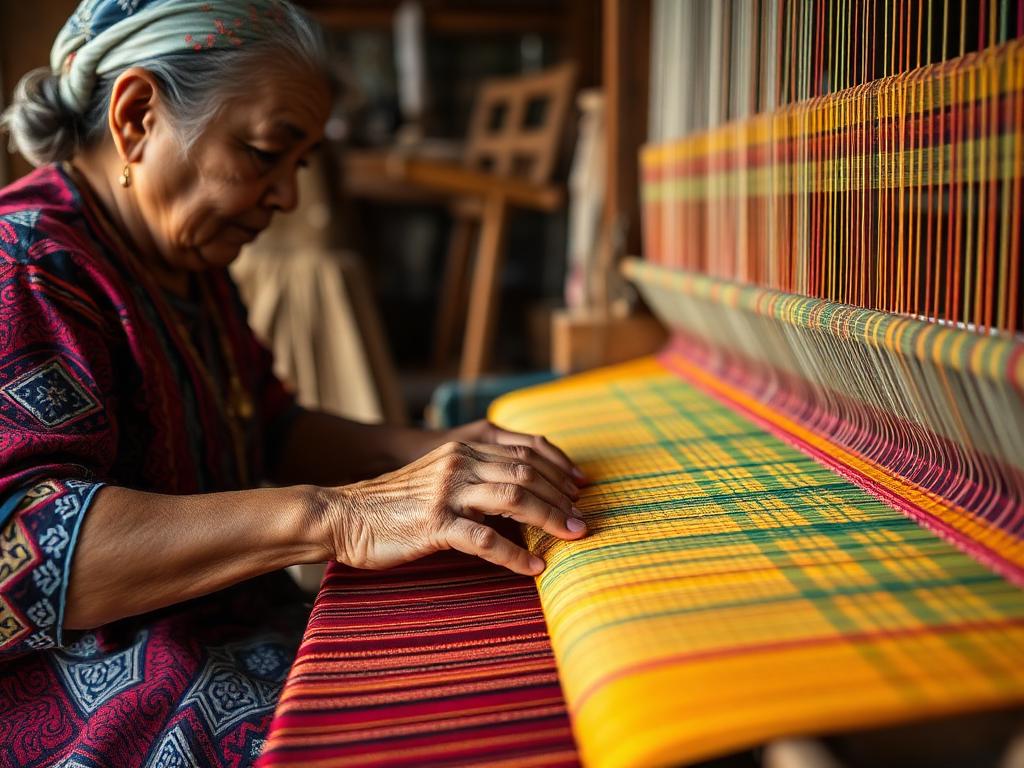
Ikat Weaving
Sumba's hand-dyed ikat textiles are UNESCO-recognized masterpieces. Visit weaving villages in Prailiu, Rende, and Lambanapu to witness months-long creation processes.
Pasola Festival
A dramatic horseback spear-fighting ceremony held each February–March in Kodi and Lamboya. Rooted in Marapu harvest rituals, it's one of the most spectacular cultural events in Southeast Asia.
Megalithic Tombs & Villages
Sumba's traditional villages like Praijing, Ratenggaro, and Tarung feature iconic thatched-roof uma (clan houses) and massive carved stone tombs weighing up to 70 tonnes.
Things to Do in Sumba
From world-class waves to ancient rituals, Sumba offers experiences you simply won't find anywhere else.
Surfing
Nihiwatu (God's Left), Pero, Tarimbang, Kerewei
Best: Apr–OctTrekking & Waterfalls
Tanggedu, Lapopu, Waimarang, Weekuri Lagoon
Best: Year-roundCultural Tours
Village visits, ikat workshops, Pasola ceremonies
Best: Year-roundBeach & Snorkelling
Mandorak, Walakiri, Marosi, Pantai Nihiwatu
Best: Apr–NovWellness & Retreats
Nihi Sumba Spa Safari, yoga retreats, traditional healing
Best: Year-round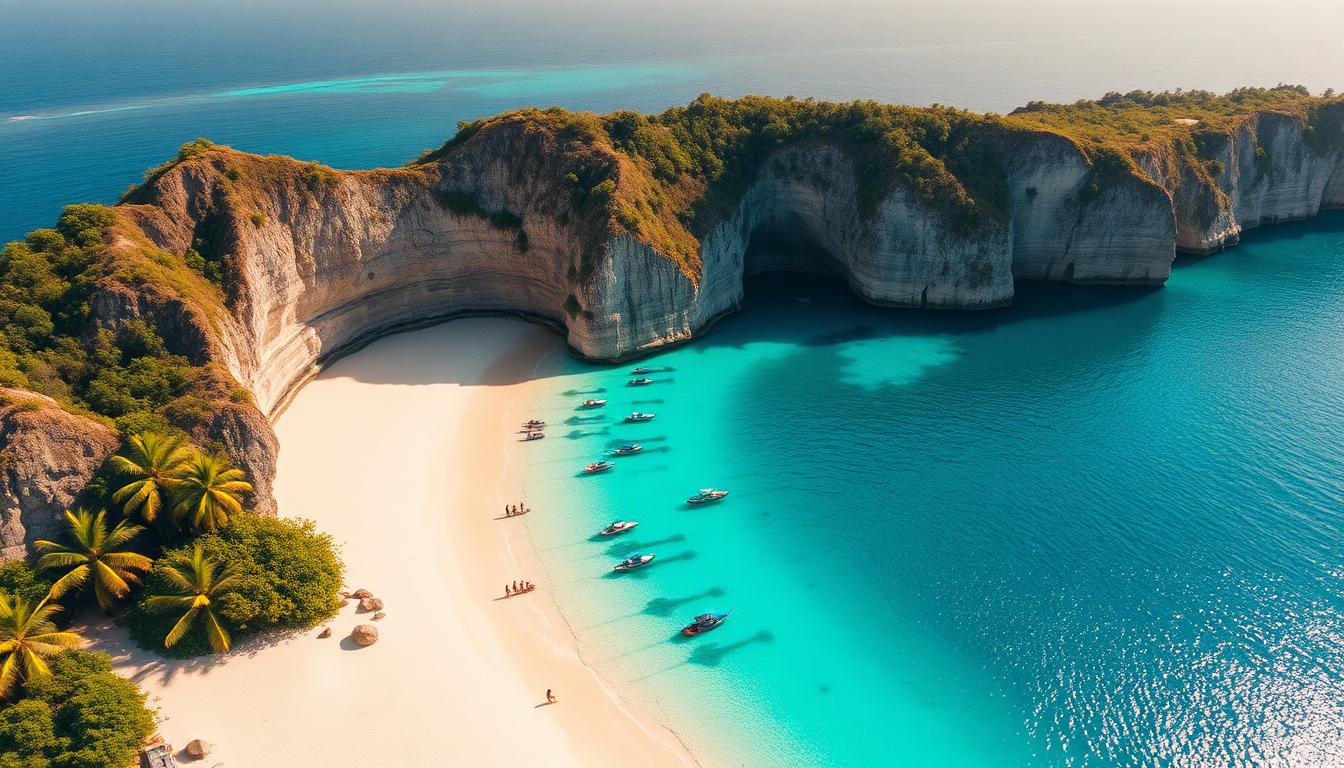
Ready to explore?
Browse ExperiencesPractical Travel Tips
Currency & ATMs
Indonesian Rupiah (IDR). ATMs exist in Waingapu and Waikabubak — carry cash for rural areas. Many luxury resorts accept credit cards.
Health & Safety
Bring sunscreen, mosquito repellent, and basic first-aid. The nearest hospital with full services is in Waingapu. Travel insurance with medevac coverage is recommended.
Language
Bahasa Indonesia is widely spoken. English is understood at resorts and by guides. Learning a few Sumbanese phrases (like 'Padikamu' — thank you) goes a long way.
Connectivity
Telkomsel has the best coverage. 4G is available in towns; remote beaches and villages may have limited signal. Most resorts offer Wi-Fi.
Best Time to Visit
Dry season (April–October) is ideal. Peak surf: June–September. Pasola festival: February–March. Rainy season brings lush landscapes but muddy roads.
What to Pack
Light, breathable clothing. Modest attire for village visits (cover knees and shoulders). Reef-safe sunscreen, sturdy sandals, and a headlamp for off-grid stays.
Continue Reading
What the world is saying about Sumba