How Much Does It Cost to Visit Sumba?
A Complete 2026 Budget Breakdown for Every Travel Style
One of the most common questions we receive is: 'How much does it cost to visit Sumba?' The answer varies dramatically depending on your travel style, but the good news is that Sumba remains one of Indonesia's best-value destinations — especially considering the quality of experiences on offer. Here's a detailed breakdown for 2026.
FLIGHTS — Getting to Sumba requires a domestic connection, typically through Bali. Return flights from Bali (DPS) to Tambolaka Airport in West Sumba (TMC) or Waingapu Airport in East Sumba (WGP) cost IDR 900,000–1,800,000 ($55–$115 USD) return with Wings Air or NAM Air. Flights take approximately 1 hour. Book 2–4 weeks in advance for the best fares. International travellers should budget separately for their flights to Bali.
ACCOMMODATION — Budget: Basic guesthouses (losmen) and homestays range from IDR 150,000–400,000 ($10–25 USD) per night. Facilities are simple but clean, and hosts are typically warm and helpful. Mid-range: Boutique hotels and eco-lodges with air conditioning, hot water, and quality furnishings run IDR 800,000–2,500,000 ($50–160 USD) per night. Many include breakfast. Luxury: High-end resorts like Nihi Sumba and newer boutique properties range from IDR 5,000,000–80,000,000 ($300–5,000 USD) per night, typically all-inclusive with activities, dining, and transfers.
FOOD & DRINK — Eating on Sumba is remarkably affordable. Local warungs (small restaurants) serve rice with grilled fish, vegetables, and sambal for IDR 20,000–40,000 ($1.50–2.50). Mid-range restaurants in Tambolaka and Waingapu offer Indonesian and Western dishes for IDR 50,000–120,000 ($3–8). Hotel restaurants at luxury properties charge IDR 200,000–500,000 ($12–30) per main course. Fresh coconuts from roadside sellers cost IDR 5,000–10,000 ($0.30–0.60). Beer is available but more expensive than mainland Indonesia — expect to pay IDR 40,000–80,000 ($2.50–5) for a large Bintang.
TRANSPORT — Renting a motorbike costs IDR 75,000–150,000 ($5–10) per day and is the most flexible way to explore. A private car with driver runs IDR 600,000–1,000,000 ($40–65) per day — highly recommended for exploring the south coast's rough roads. Shared transport between major towns costs IDR 20,000–50,000 ($1.50–3). Airport transfers arranged through hotels range from IDR 300,000–700,000 ($20–45) depending on distance.
ACTIVITIES — Many of Sumba's best experiences are free: visiting traditional villages (a small donation of IDR 20,000–50,000 is customary), hiking to waterfalls, and exploring beaches cost nothing. Guided cultural tours run IDR 500,000–1,500,000 ($30–100) per day. Surfing lessons and board rental cost IDR 300,000–500,000 ($20–30) per session. Horse riding through savannah landscapes costs IDR 200,000–400,000 ($12–25) per hour. Ikat weaving workshops cost IDR 100,000–300,000 ($6–20).
TOTAL DAILY BUDGETS — Budget traveller: IDR 300,000–500,000 ($20–35 USD) per day for basic accommodation, local food, and self-guided exploration. Mid-range traveller: IDR 1,500,000–3,000,000 ($100–200 USD) per day for comfortable hotels, restaurant meals, private transport, and guided activities. Luxury traveller: IDR 8,000,000–50,000,000+ ($500–3,000+ USD) per day for premium resorts, fine dining, spa treatments, and exclusive experiences.
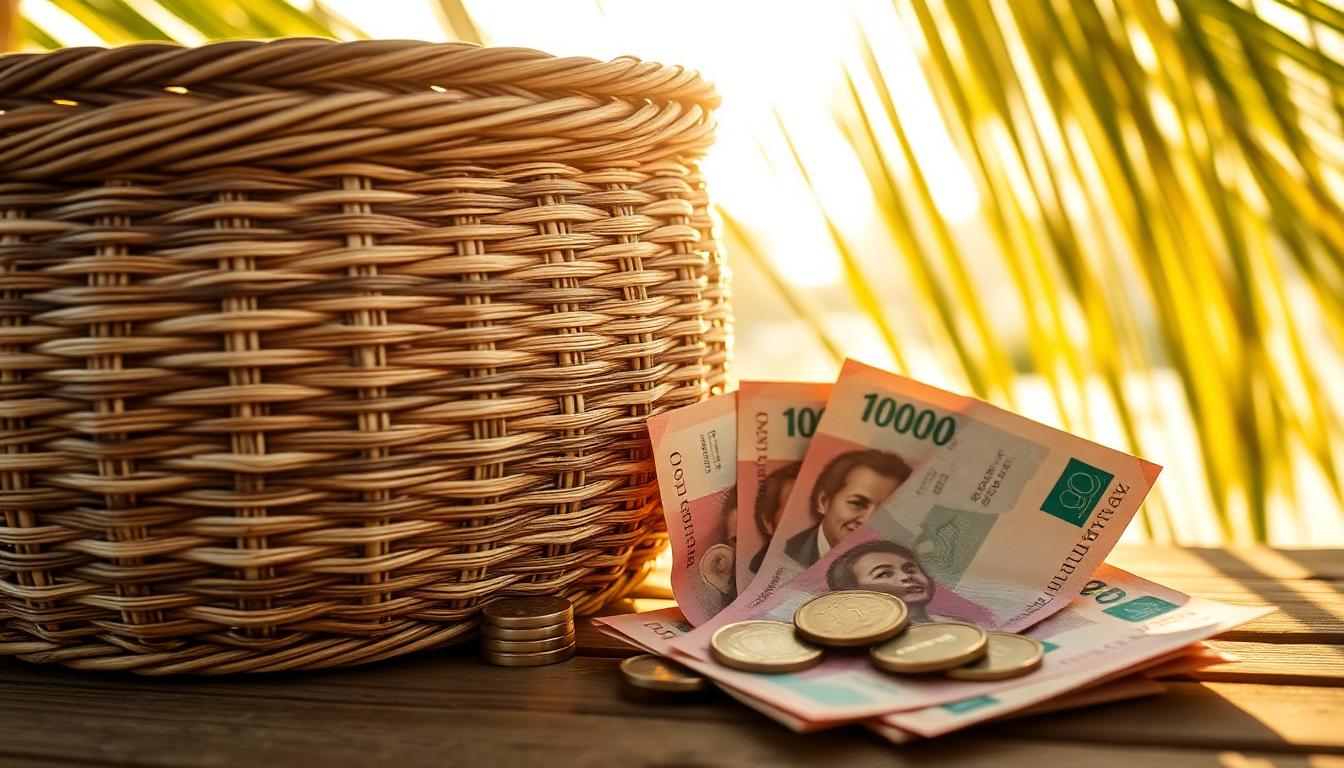
MONEY TIPS — ATMs are available in Tambolaka and Waingapu but can be unreliable. Bring sufficient cash in Indonesian Rupiah from Bali. Credit cards are accepted only at luxury hotels and a handful of restaurants. Mobile phone coverage is available in towns but patchy in rural areas — Telkomsel has the best network on Sumba. The dry season (April–November) generally offers better value as some properties reduce rates during the quieter shoulder months of April–May and September–October.