25 Incredible Things to Do in Sumba Island
The Ultimate Activity Guide for Culture, Adventure & Wellness
Sumba Island isn't a destination you 'do' in three days. It's a place that unfolds over time, revealing layers of cultural depth, natural beauty, and spiritual resonance that reward slow, intentional exploration. That said, if you're planning your trip, here are 25 experiences that define what makes this island extraordinary.
CULTURAL EXPERIENCES — 1. Visit Tarung Traditional Village in Waikabubak, one of the last places where Marapu ceremonies are actively practiced. The towering ancestral houses, megalithic stone tombs, and living ceremonial culture offer a window into a worldview that has persisted for millennia. 2. Watch the Pasola Festival (February–March) — a sacred mounted spear-throwing tournament that is one of the most dramatic cultural spectacles in Southeast Asia. Held across several villages in West Sumba, Pasola is a harvest ritual, not a tourist performance. 3. Learn ikat weaving from master weavers in Prailiu or Rende village. This resist-dyeing textile art can take months to complete a single cloth and encodes clan identity, spiritual beliefs, and social status.
- Attend a traditional funeral ceremony if invited (typically multi-day events involving buffalo sacrifice and community feasting). These are profound cultural experiences — approach with deep respect and a local guide. 5. Explore Praijing Traditional Village, a hilltop settlement with spectacular views and well-preserved traditional architecture. 6. Visit the megalithic stone tombs at Anakalang — some weighing over 70 tonnes, these are among the largest stone monuments in Southeast Asia, actively commissioned to this day.
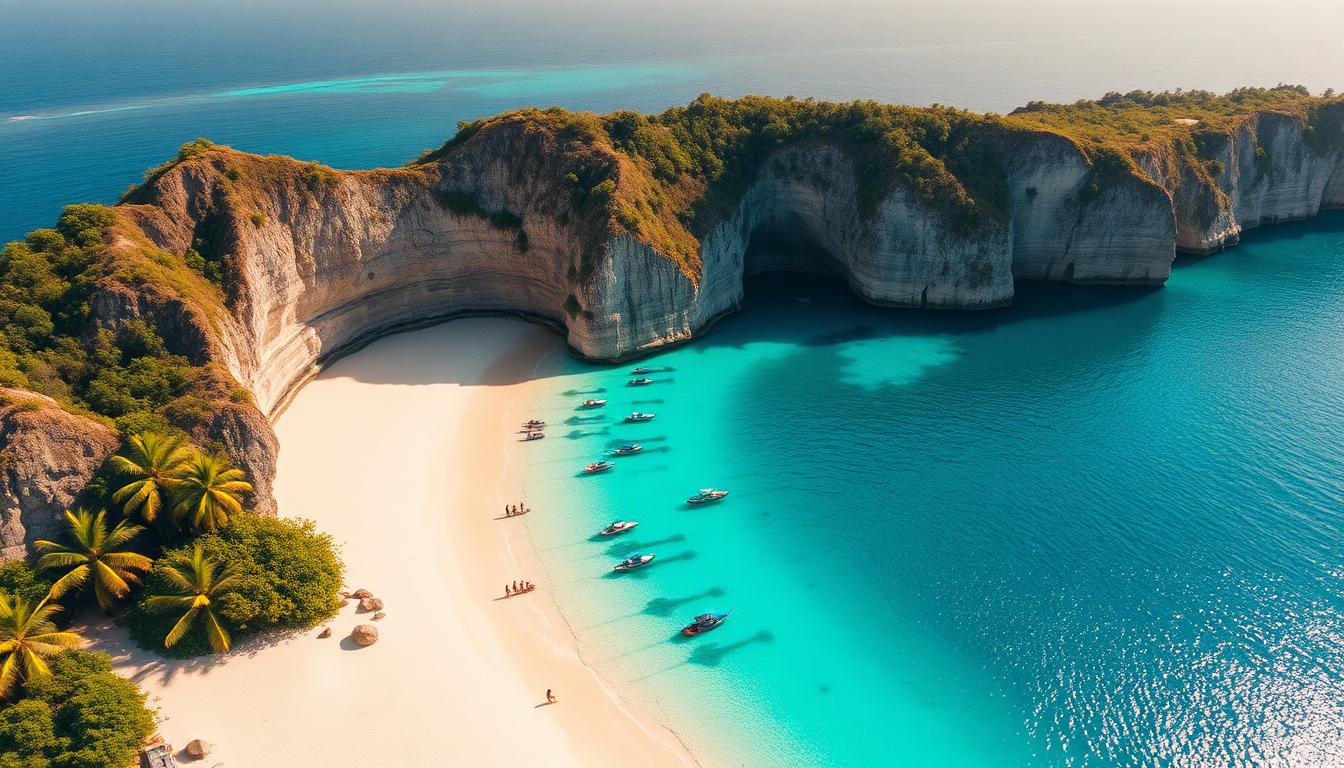
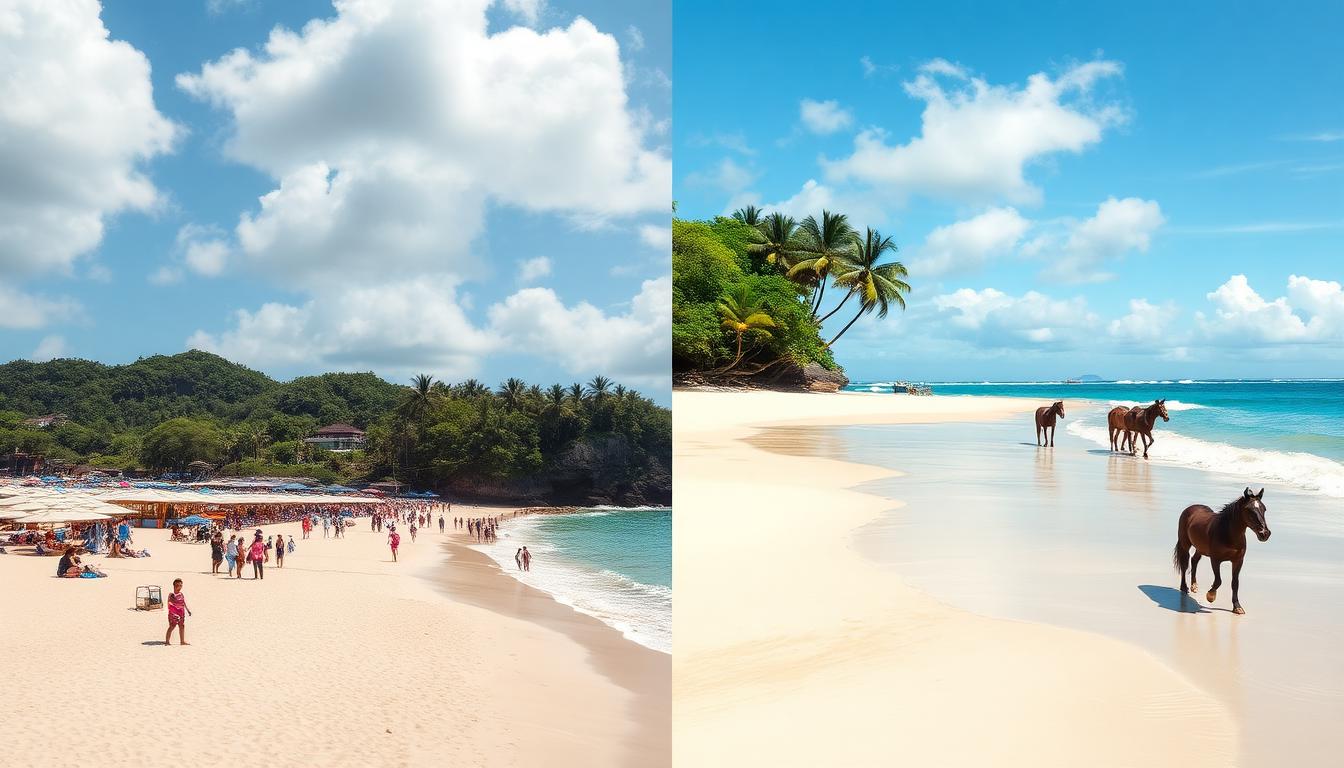
BEACHES & WATER — 7. Swim in Weekuri Lagoon, a crystal-clear saltwater pool enclosed by coral limestone. 8. Surf God's Left at Nihiwatu Beach, consistently ranked among the world's top waves. 9. Explore Mandorak Beach, a hidden white sand cove at the base of dramatic cliffs. 10. Photograph the 'dancing trees' at Walakiri Beach at sunset — the mangrove silhouettes against the sky are iconic. 11. Snorkel the coral reefs at Tarimbang Beach on the remote south coast.
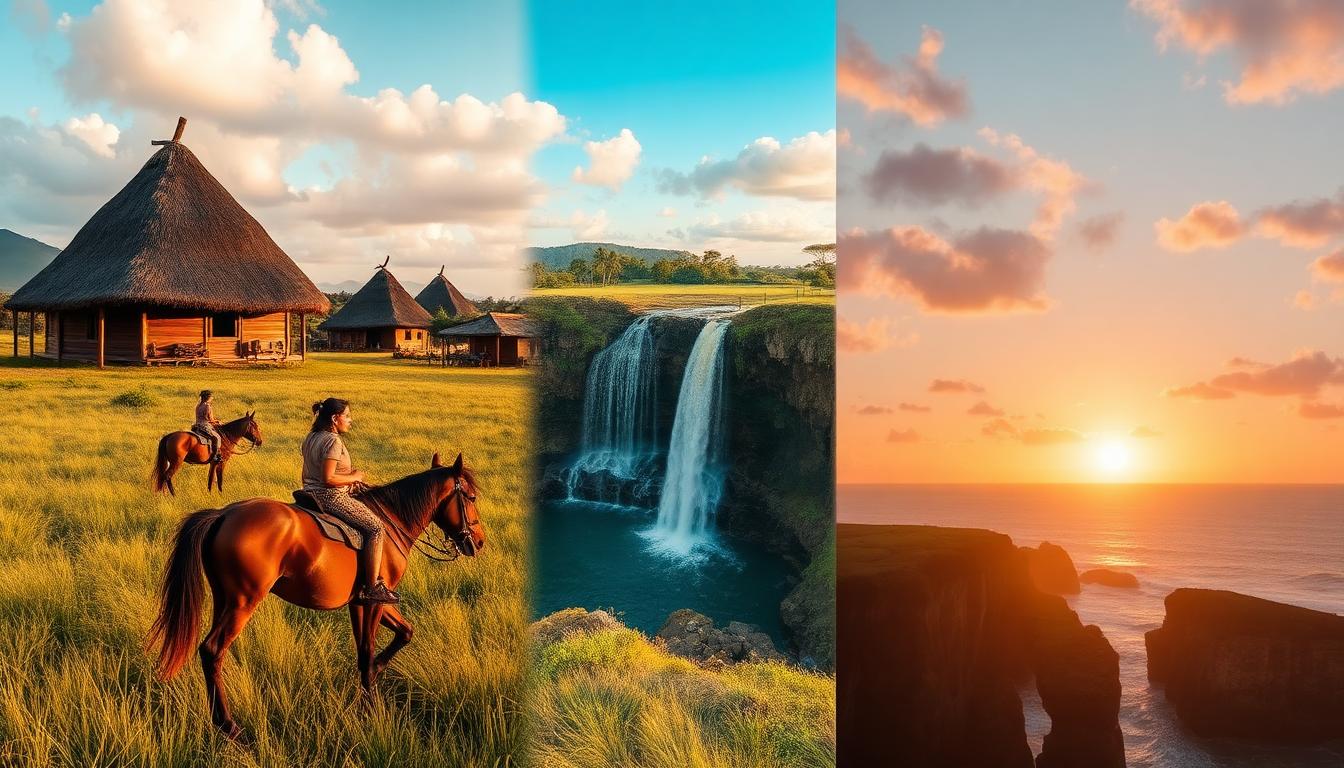
WATERFALLS & NATURE — 12. Trek to Tanggedu Waterfall, a multi-tiered cascade flowing through a dramatic terraced canyon in East Sumba. 13. Visit Lapopu Waterfall, Sumba's largest, surrounded by tropical forest in Southwest Sumba. 14. Hike the Wairinding Hills for panoramic views of Sumba's iconic rolling savannah meeting the ocean. 15. Spot wild Sumbanese horses roaming freely across the grasslands — the island is famous for its native horse breed, descended from Sandalwood ponies.
ADVENTURE — 16. Take a horseback ride through the savannah grasslands at sunset. Several local operators in West Sumba offer guided rides. 17. Drive the south coast road from Tambolaka to Tarimbang — a full-day adventure through some of the most dramatic landscapes in Indonesia (4WD recommended). 18. Kayak along the northwest coast exploring sea caves and hidden coves. 19. Camp on a deserted beach (with village permission) on Sumba's remote eastern peninsula.
WELLNESS & SPIRITUALITY — 20. Participate in a guided meditation at sunrise overlooking the ocean — several eco-resorts offer programs. 21. Experience traditional Sumbanese herbal medicine through a local healer (dukun). 22. Practice yoga in an open-air bamboo pavilion — the acoustic environment on Sumba, free from urban noise, makes meditation profoundly different from anywhere else. 23. Visit sacred springs and water sources that play a central role in Marapu ceremony and daily village life.
FOOD & CRAFT — 24. Try the local delicacy of se'i (smoked meat), betel nut, and freshly caught grilled fish at a village warung. 25. Commission a custom ikat textile from a master weaver — a one-of-a-kind piece of wearable art that supports indigenous craft traditions and makes the ultimate Sumba souvenir.
The through-line connecting all of these experiences is authenticity. On Sumba, culture isn't curated for consumption. Nature isn't manicured for comfort. And the experiences you have aren't available anywhere else on Earth — because they emerge from a specific place, a specific people, and a spiritual tradition that has endured unchanged for thousands of years. That's what makes Sumba different. That's what makes it worth the journey.