Sumba vs Bali
Why Experienced Travellers Are Choosing Sumba Over Bali in 2026
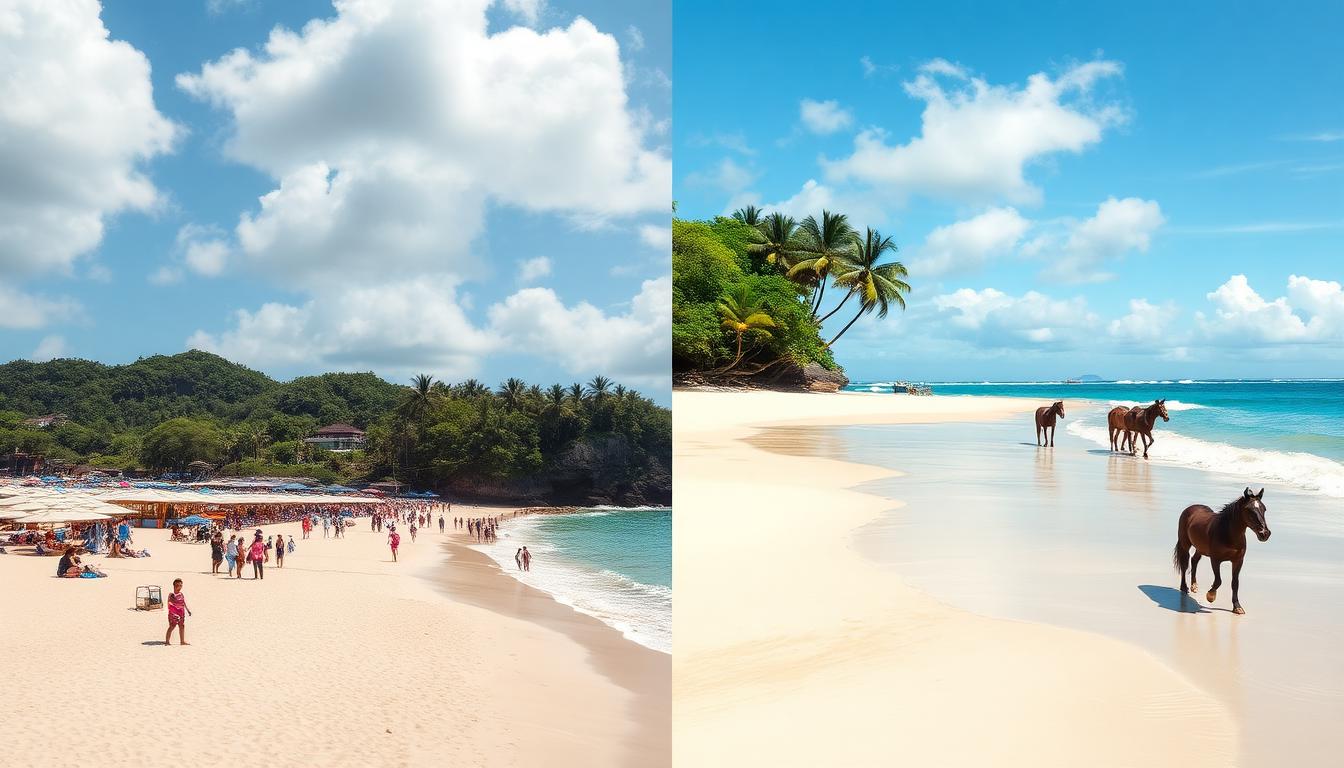
Let's be honest: Bali changed. The island that enchanted generations of travellers with its rice terraces, temple ceremonies, and unhurried village life has become one of the most overtouristed destinations on Earth. With over 6 million international visitors annually, Bali's infrastructure groans under the weight of mass tourism. Traffic in Seminyak rivals Jakarta. Kuta Beach resembles a theme park. And the spiritual authenticity that drew people in the first place has been largely commodified into Instagram-friendly 'healing experiences' at $200 a session.
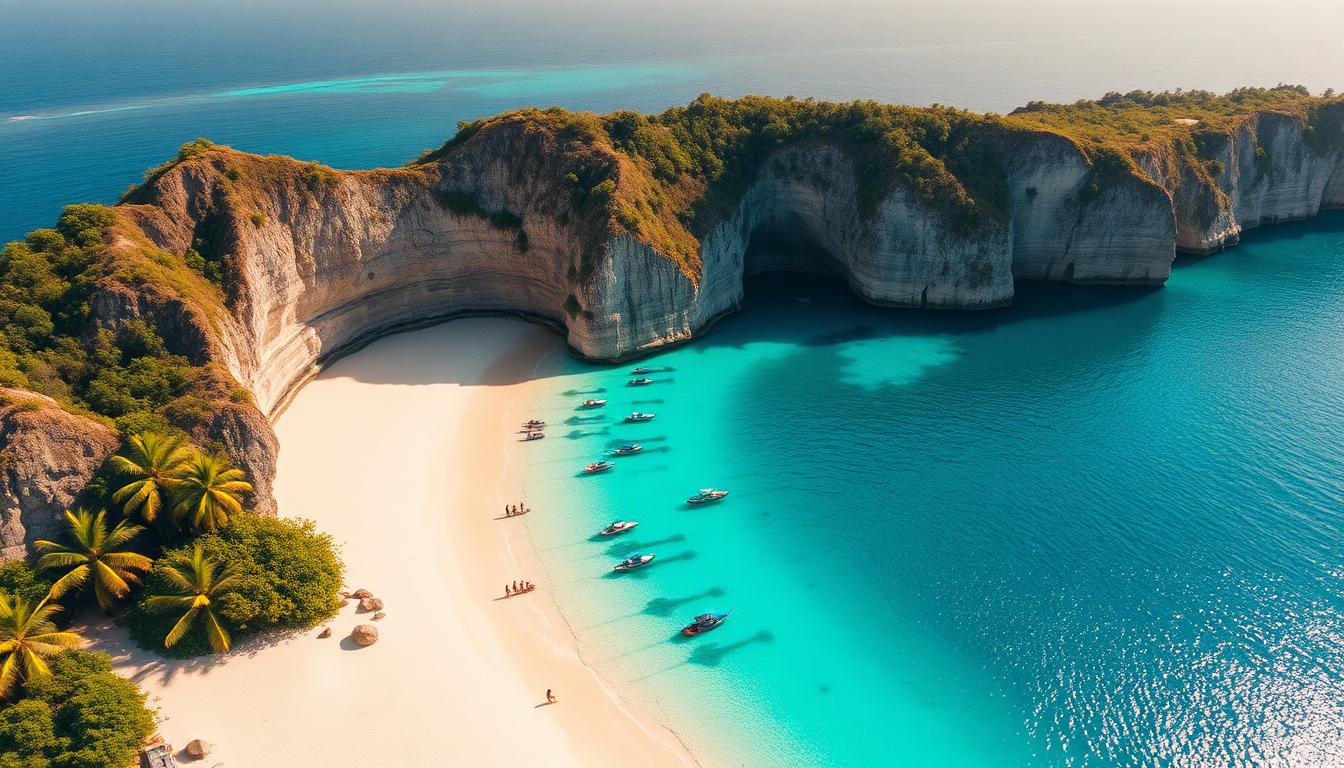
Sumba, just a 1-hour flight east of Bali, feels like stepping into Indonesia circa 1970. The roads are quiet. The villages are real. The ceremonies are for the community, not for tourists. And the beaches — jaw-dropping white sand stretches with turquoise water — are often completely empty. This isn't marketing hyperbole. It's a factual description of a 2026 reality that won't last forever.
The cultural comparison is stark. Bali's Hindu-Buddhist traditions, while beautiful, have been extensively adapted for tourism consumption. Sumba's Marapu belief system — an animist tradition where ancestors mediate between the living and the spirit world — remains largely untouched by commercial influence. When you attend a ceremony on Sumba, you're witnessing something that has been practiced in essentially the same way for thousands of years.
For accommodation, Bali offers everything from $10 hostels to $5,000-per-night private villas, with thousands of options on every booking platform. Sumba's hospitality scene is smaller but disproportionately high-end. Nihi Sumba (formerly Nihiwatu) was named the world's best hotel by Travel + Leisure — not the world's best budget option, the world's best hotel, period. Several new boutique eco-resorts are opening along the coastline, offering the kind of intimate, landscape-integrated experiences that Bali's density makes impossible.
Cost comparison: a quality Bali holiday now costs surprisingly close to a Sumba trip, especially when you factor in the premium that 'authentic Bali experiences' now command. A private villa in Ubud with a rice terrace view runs $300–600/night. Comparable quality on Sumba ranges from $150–500/night, with dramatically better exclusivity. Domestic flights from Bali to Tambolaka (Sumba) cost $60–120 return with Wings Air or NAM Air.
For investors, the comparison is even more compelling. Beachfront land in southern Bali — if you can find any — commands $3,000–8,000 per square metre. Equivalent coastal land on Sumba starts at a fraction of that price. The Indonesian government has designated Sumba as a priority tourism development zone, investing in airport upgrades, road infrastructure, and digital connectivity. These are the same signals that preceded Bali's transformation — but at 2026 pricing, not 2006 pricing.
The question isn't whether you should visit Bali or Sumba — they're different experiences serving different needs. Bali excels at convenience, nightlife, and cosmopolitan food culture. Sumba excels at everything Bali has lost: silence, space, cultural depth, and the feeling of discovering something genuinely extraordinary before the rest of the world catches on.
We say this with respect for Bali, which remains a remarkable island. But for travellers and investors who want the next chapter — not a louder version of the current one — the compass points east. To Sumba.