The 12 Best Beaches in Sumba Island
A Complete Guide to Sumba's Most Stunning Coastlines in 2026
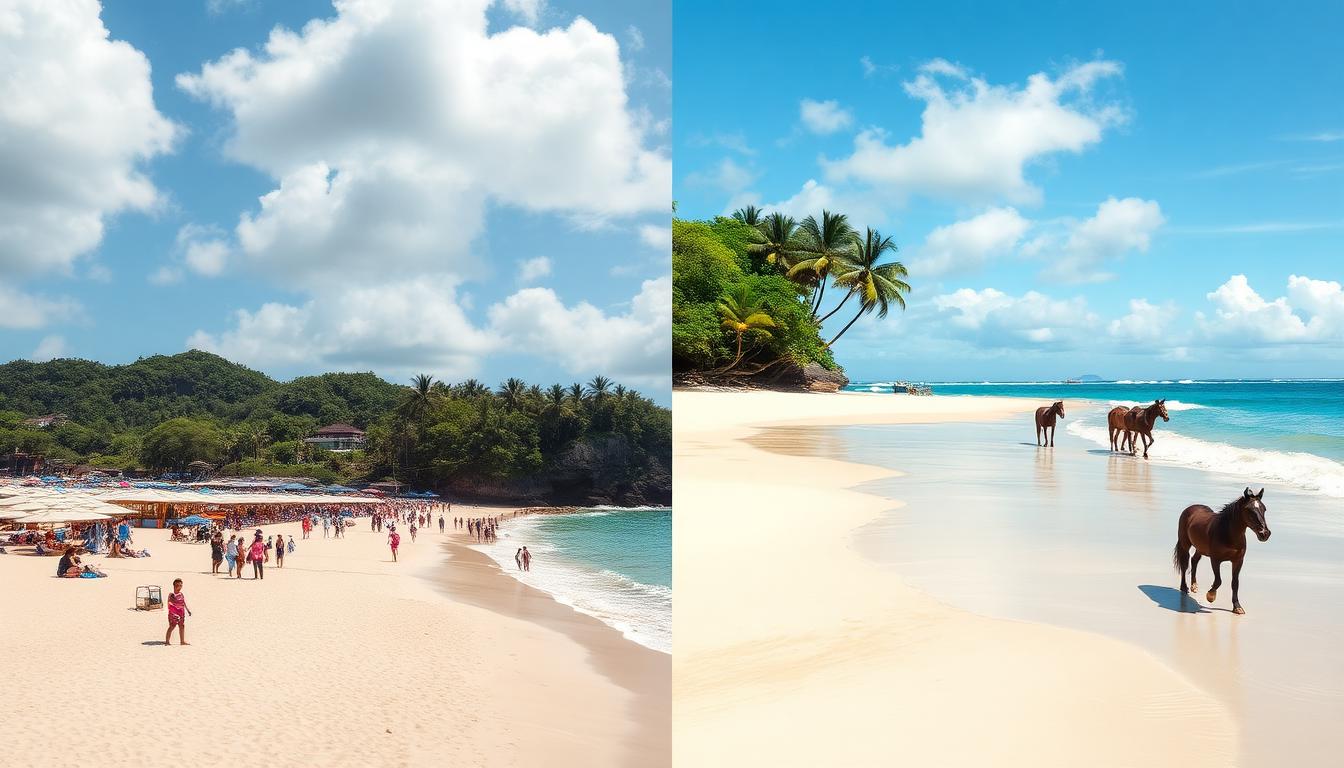
Sumba Island has over 650 kilometres of coastline, and unlike Bali or Lombok, the vast majority of it remains completely untouched. No beach clubs. No sun lounger wars. No Instagram influencers blocking your view. Just raw, elemental beauty — limestone cliffs dissolving into turquoise infinity, white sand stretching to vanishing points, and wild horses drinking from the surf at dawn.
Nihiwatu Beach (Oceans Edge) — Consistently ranked among the world's best beaches, this west-coast stretch is home to 'God's Left,' a legendary left-hand surf break. The beach is accessed primarily through Nihi Sumba resort, but the surrounding coastline offers equally stunning stretches for those willing to explore. Best visited April through October when swells are consistent and offshore winds create perfect barrels.
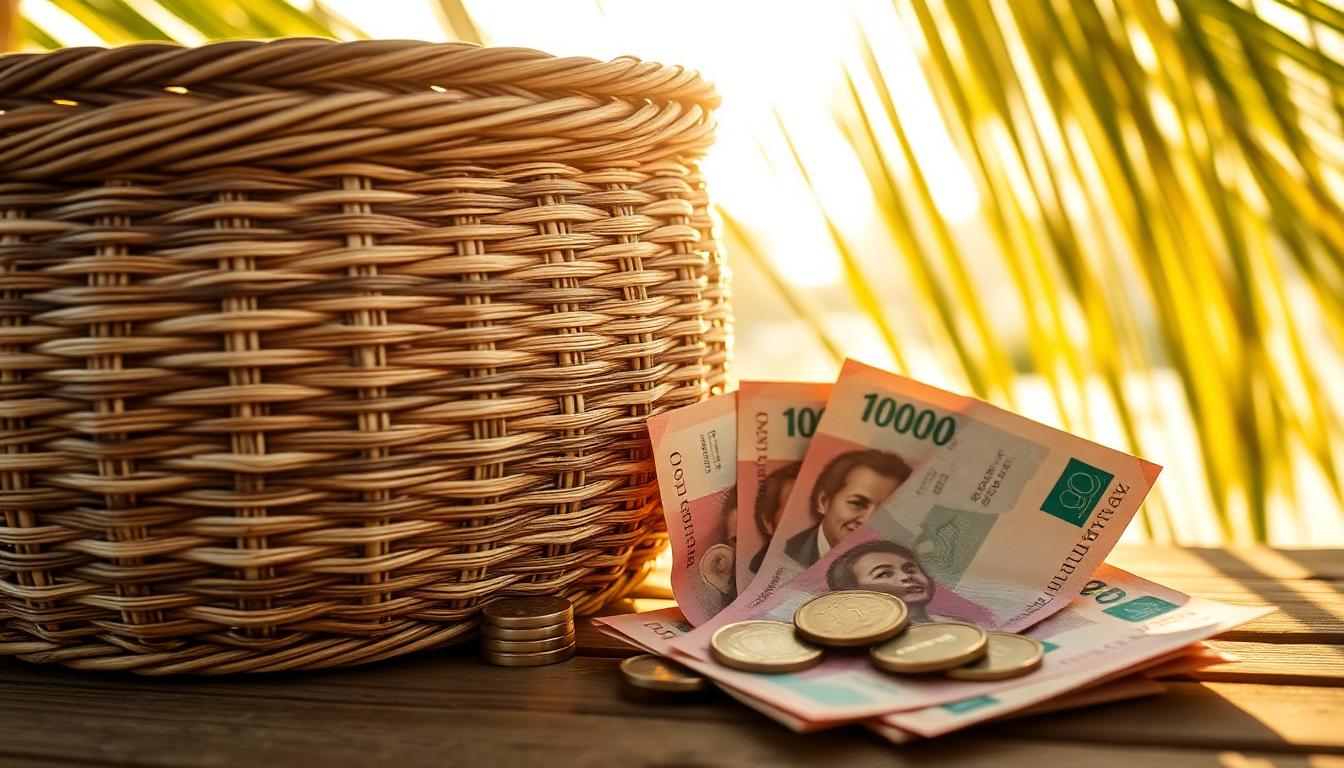
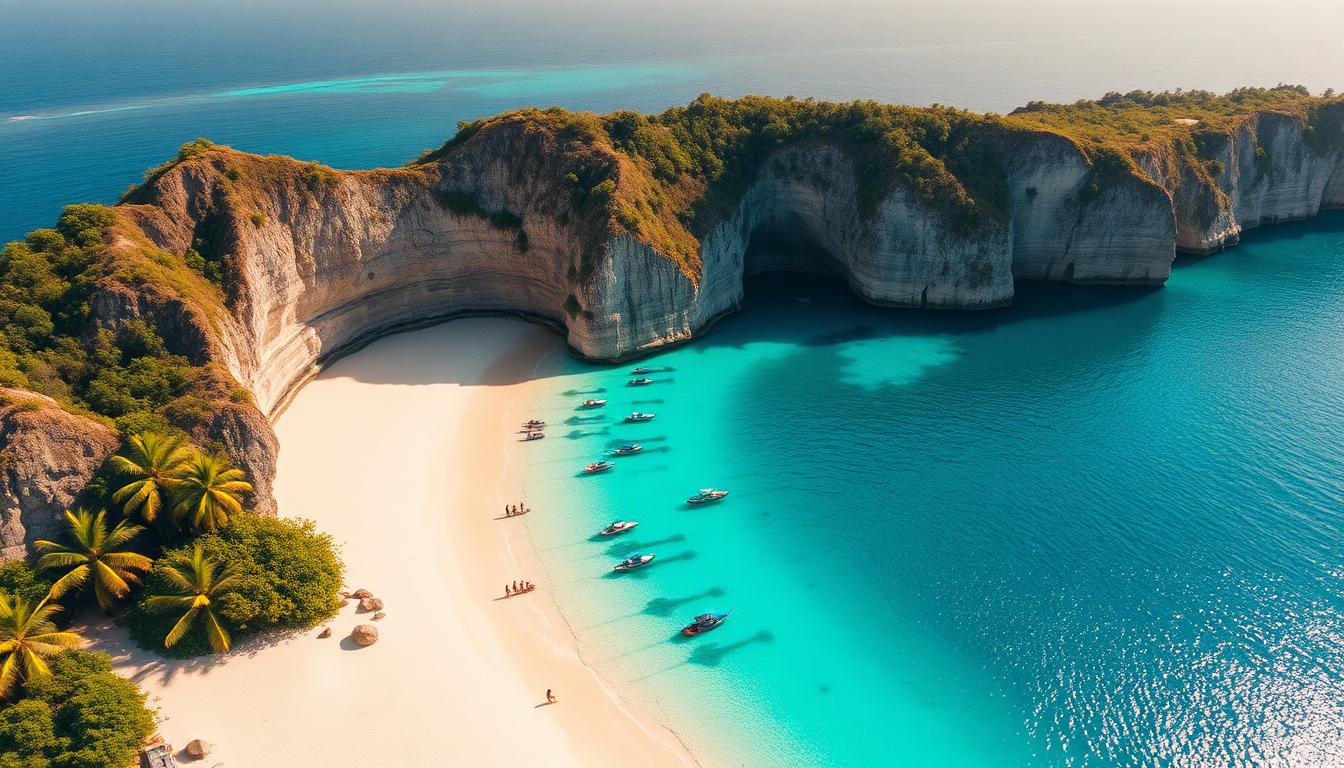
Weekuri Lagoon — Not technically a beach, but Sumba's most photographed natural wonder. This saltwater lagoon, enclosed by coral limestone cliffs, glows an impossible shade of turquoise. Located in Southwest Sumba near Kodi, it's a 2-hour drive from Tambolaka Airport. Entry is free, though local families who maintain the site gratefully accept small donations. Weekuri is best experienced at midday when the sun illuminates the lagoon floor.
Mandorak Beach — A hidden cove accessible via a short trek through farmland in Southwest Sumba. The beach sits at the base of dramatic cliff formations, creating a natural amphitheatre of white sand and crystal water. The lack of road access has preserved its pristine condition. Bring your own water and snacks — there are no facilities, and that's precisely the point.
Marosi Beach — The long, sweeping beach near Lamboya in West Sumba is one of the island's most accessible and most rewarding. Golden sand, gentle waves suitable for swimming, and a backdrop of rolling green hills. The nearby traditional village of Lamboya Podu adds cultural depth to a beach day. Marosi is particularly beautiful during the wet season when the surrounding hillsides are emerald green.
Tarimbang Beach — Located on Sumba's remote south coast, Tarimbang is a 3-kilometre crescent of white sand backed by coconut palms and visited by perhaps a handful of people per week. The surf here is powerful and best left to experienced riders. For non-surfers, the beach offers some of the best snorkelling on the island, with healthy coral systems close to shore.
Walakiri Beach — Famous for its 'dancing trees' — a row of mangrove trees that create extraordinary silhouettes at sunset. Located near Waingapu in East Sumba, it's one of the most accessible beaches on the island. While not ideal for swimming due to shallow tidal flats, it's arguably Sumba's most photogenic sunset location.
Pero Beach — A vast stretch of white sand in the Kodi region of Southwest Sumba. Pero is known for its powerful surf and its proximity to traditional Marapu villages. The beach is also the site of several Pasola ceremonies, making it one of the few places where you can witness ancient horseback rituals against a backdrop of crashing Indian Ocean waves.
Kerewei Beach — A rarely visited gem near the village of Wanukaka. The beach is accessed through rice paddies and features a natural rock arch framing turquoise waters. No facilities, no crowds — just raw Sumba coastline at its most dramatic.
Pantai Londa Lima — A sheltered bay on the northwest coast, ideal for swimming and kayaking. The beach is backed by a small fishing village where locals are happy to prepare fresh catch for visitors. One of the few beaches on Sumba where you can reliably find calm water year-round.
Rua Beach — On the far eastern tip of Sumba, Rua Beach is a destination for the truly adventurous. The journey requires a full day's drive from Waingapu, but rewards with pristine coral reefs, nesting sea turtles (October–February), and absolute solitude. Camping is possible with permission from the local village chief.
Whether you're a surfer chasing world-class breaks, a family seeking calm lagoons, or a photographer hunting for the most dramatic coastal landscapes in Indonesia — Sumba's beaches deliver experiences that Bali stopped offering decades ago. The difference is simple: on Sumba, the coastline still belongs to the land, not to commerce.