Where to Stay in Sumba Island
The Best Hotels, Eco-Lodges & Resorts for Every Budget in 2026
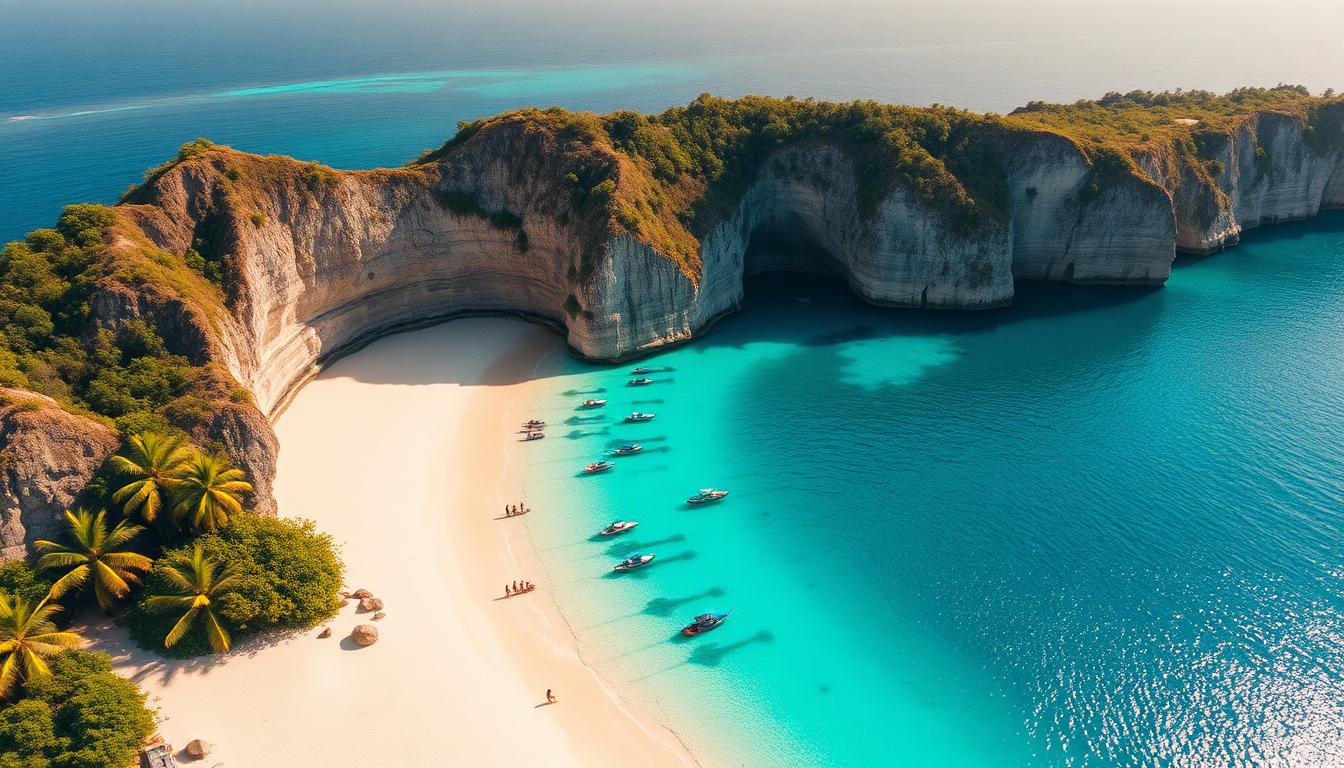
Sumba's accommodation landscape is unlike any other destination in Indonesia. Where Bali offers thousands of options in a bewildering range, Sumba presents a curated selection that spans genuine luxury to authentic homestays — with very little mediocre 'middle' to wade through. Here's where to stay, what to expect, and how to choose.
LUXURY — Nihi Sumba (from $1,200/night) remains the standard-bearer. Named the world's best hotel by Travel + Leisure, this former surf camp has evolved into a 28-villa sanctuary on the west coast. The Spa Safari — a 90-minute horseback ride to a clifftop spa — is one of the most extraordinary wellness experiences in Asia. The surf break (God's Left) is limited to 10 guests per day. Book months in advance, especially for July–August.
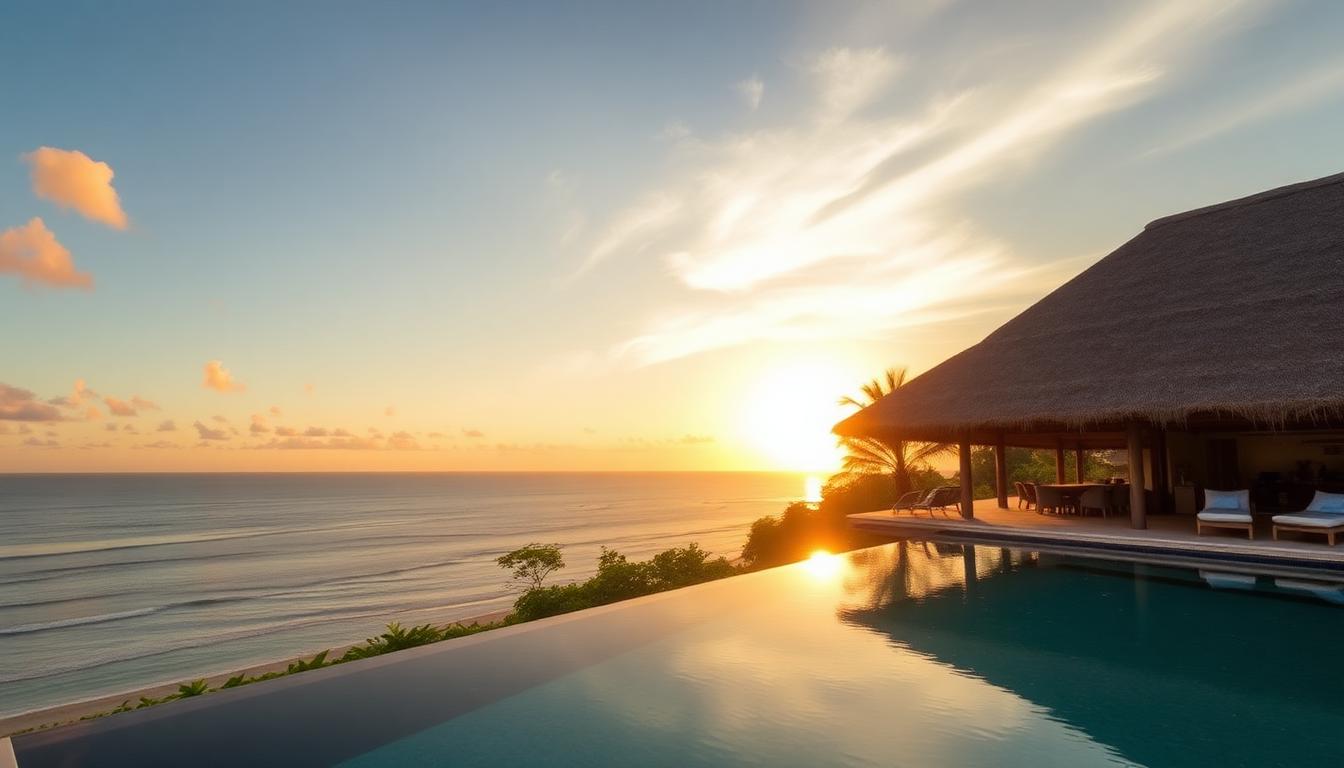
Lelewatu Resort (from $400/night) perches on dramatic cliff edges overlooking the Indian Ocean. The architecture references traditional Sumbanese high-peaked houses rendered in contemporary materials. The infinity pool, seemingly cantilevered over the cliff, has become one of Sumba's most iconic images. Located near Tambolaka, it's one of the most accessible luxury options.
Cap Karoso (from $350/night) brings a Mediterranean-meets-Sumbanese aesthetic to the west coast. With multiple restaurants, a spa, and a strong sustainability program, it's positioned for travellers who want luxury without isolation. The property is also developing community programs that create genuine economic benefit for surrounding villages.
MID-RANGE — Maringi Eco Resort (from $80/night) in Southwest Sumba offers clean, comfortable bungalows with ocean views at a fraction of luxury pricing. The owner, a passionate conservationist, organizes village visits and cultural experiences that feel genuine rather than performative. This is where many repeat Sumba visitors choose to stay.
Sumba Hospitality Foundation (from $50/night) deserves special mention. This social enterprise trains local Sumbanese youth in hospitality while operating a boutique lodge. Staying here directly funds education and community development. The rooms are simple but well-designed, and the hospitality — delivered by students discovering their professional calling — is often more moving than any five-star experience.
BUDGET — Guesthouses (losmen) in Tambolaka and Waingapu offer basic rooms from $10–25/night. Air conditioning is rare at this level, but fans and ocean breezes are typically sufficient. Rumah Budaya Mario in Tambolaka is a popular backpacker choice with a communal atmosphere and helpful owner who arranges transport. In Waingapu, Hotel Merlin offers reliable budget accommodation within walking distance of the market and bus terminal.
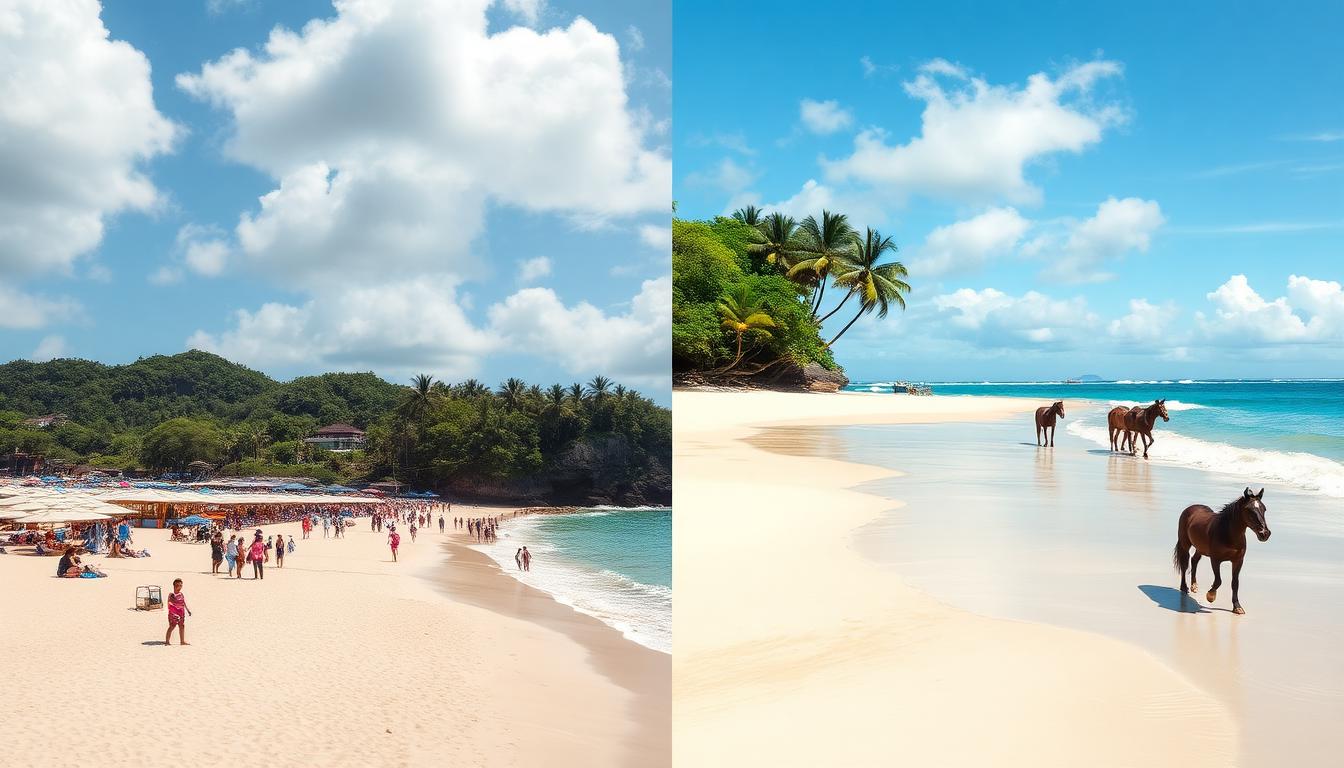
CHOOSING A BASE — West Sumba (Tambolaka/Kodi region): Best for beaches, surfing, Pasola festivals, and access to luxury resorts. Most international visitors base here. East Sumba (Waingapu): Better for traditional villages, ikat weaving, Tanggedu Waterfall, and a more authentic local atmosphere. Fewer tourists, lower prices. Central Sumba (Anakalang/Waikabubak): The cultural heartland. Best for megalithic tomb sites, Tarung village, and highland scenery. Limited but improving accommodation options.
BOOKING TIPS — Many mid-range and budget properties are not listed on international booking platforms. WhatsApp is the primary booking channel for smaller operations. Luxury resorts should be booked directly for the best packages. The dry season (April–November) is peak season — book luxury and mid-range properties at least 6–8 weeks ahead. Wet season (December–March) offers lower rates and lush green landscapes, but some roads may become difficult.