Sumba Island Investment Guide 2026
Why Smart Money Is Moving to Indonesia's Last Frontier
In every generation, a handful of destinations transition from obscurity to global recognition. Bali in the 1970s. Phuket in the 1990s. Tulum in the 2010s. The pattern is remarkably consistent: infrastructure investment arrives, followed by pioneer hospitality brands, then land price acceleration, then mainstream capital. Sumba Island sits precisely at the inflection point between stages two and three — and the data supports an exceptionally compelling investment thesis.
The Macro Case for Indonesia — Indonesia is the world's fourth most populous nation, ASEAN's largest economy, and is projected to become the world's fourth largest economy by 2045. Foreign direct investment hit record levels in 2025, with tourism and property sectors leading growth. The government's Golden Visa program, launched in 2024, offers 5-10 year residency for property investors — a clear signal of intent to attract international capital. The Indonesian rupiah has stabilized, inflation is controlled, and GDP growth consistently outpaces regional peers at 5-5.2% annually.
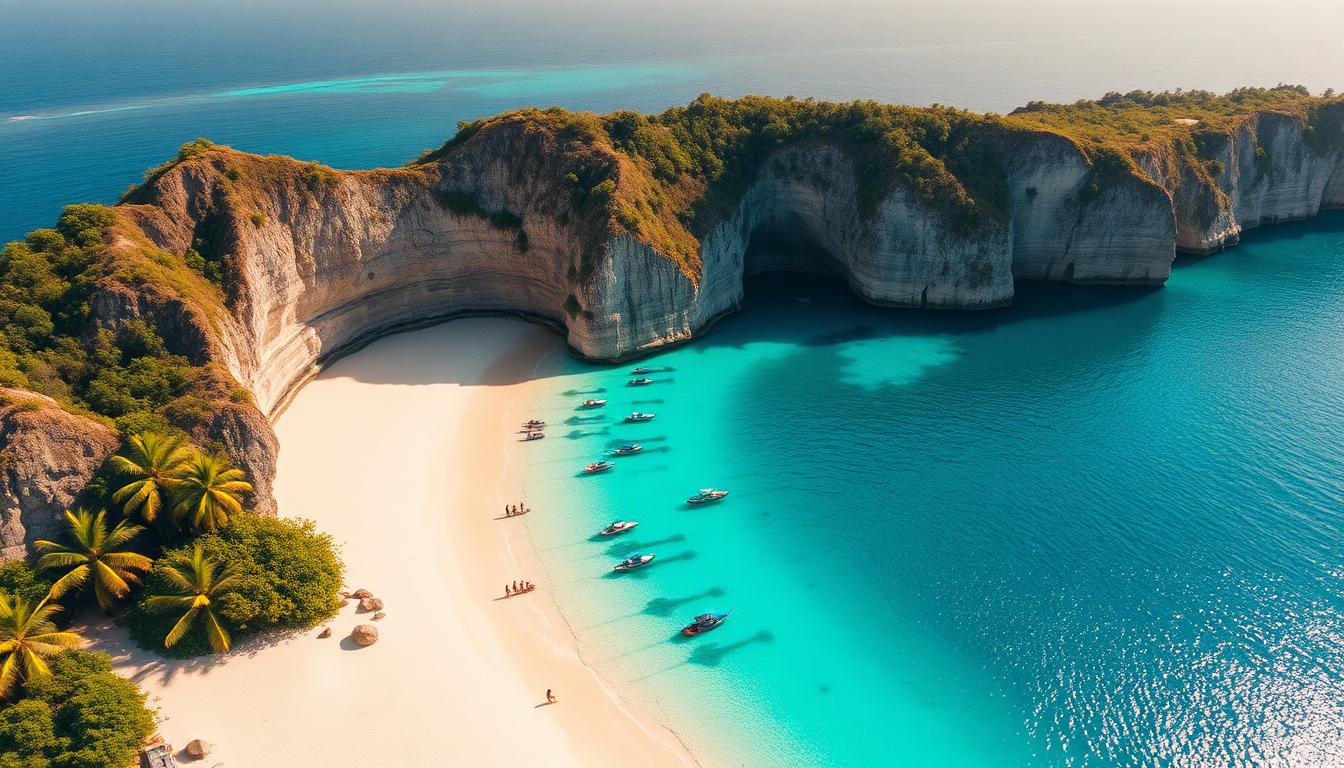
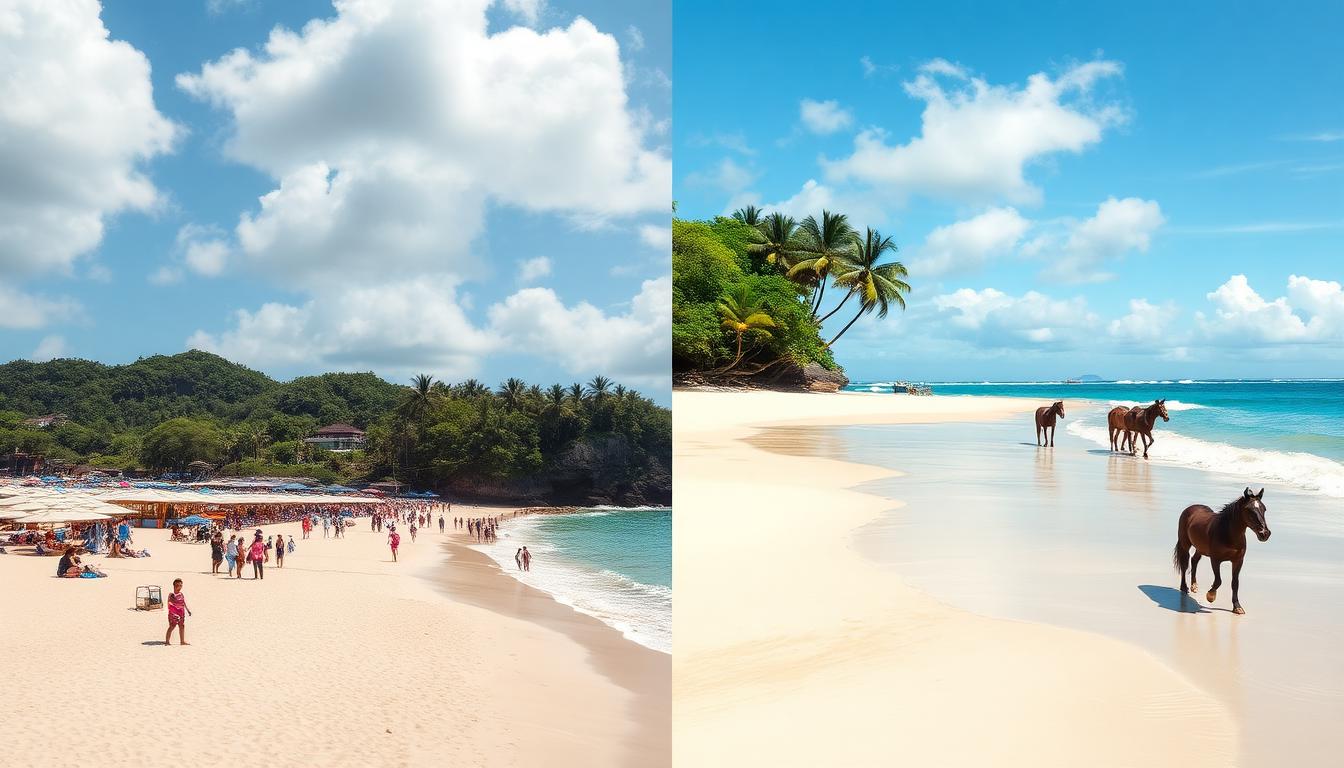
Why Sumba Specifically? — While Bali attracts 5.7 million international visitors annually, Sumba receives approximately 30,000. That disparity represents the opportunity. Sumba offers what Bali had 50 years ago — pristine coastline, authentic culture, and land prices that defy comparison with any comparable destination globally. But unlike Bali in the 1970s, today's Sumba has scheduled daily flights from Bali (50 minutes), a renovated international-standard airport, and mobile connectivity across major areas. The infrastructure gap that once made Sumba inaccessible has closed; the price gap hasn't caught up yet.
Land Price Analysis — Current beachfront land prices in Southwest Sumba range from IDR 150,000-500,000 per square metre ($9-31 USD/sqm). Compare this to equivalent coastal land in Bali ($500-3,000/sqm), Lombok ($50-300/sqm), or Flores ($20-80/sqm). Even within Sumba, price stratification is emerging: prime west coast beachfront near established resorts commands 3-5x the price of equivalent parcels in emerging areas. Early investors in Kodi and Lamboya who purchased in 2020-2022 have seen 100-200% appreciation — and the infrastructure investment cycle is just beginning.
Tourism Growth Trajectory — Indonesia's Ministry of Tourism has designated Sumba as a 'Super Priority Destination,' committing billions of rupiah to infrastructure development. The indicators are unambiguous: Tambolaka Airport is undergoing expansion to handle larger aircraft and increased frequency, new coastal roads are opening previously inaccessible beach areas, Cap Karoso resort (opened 2022) has achieved 80%+ occupancy and international press coverage, and Lelewatu and Maringi Eco Resort have established luxury hospitality benchmarks. Google search volume for 'Sumba Island' has increased 340% since 2019. International media coverage — from Condé Nast Traveler to The New York Times — positions Sumba as 'the new Bali' with increasing frequency.
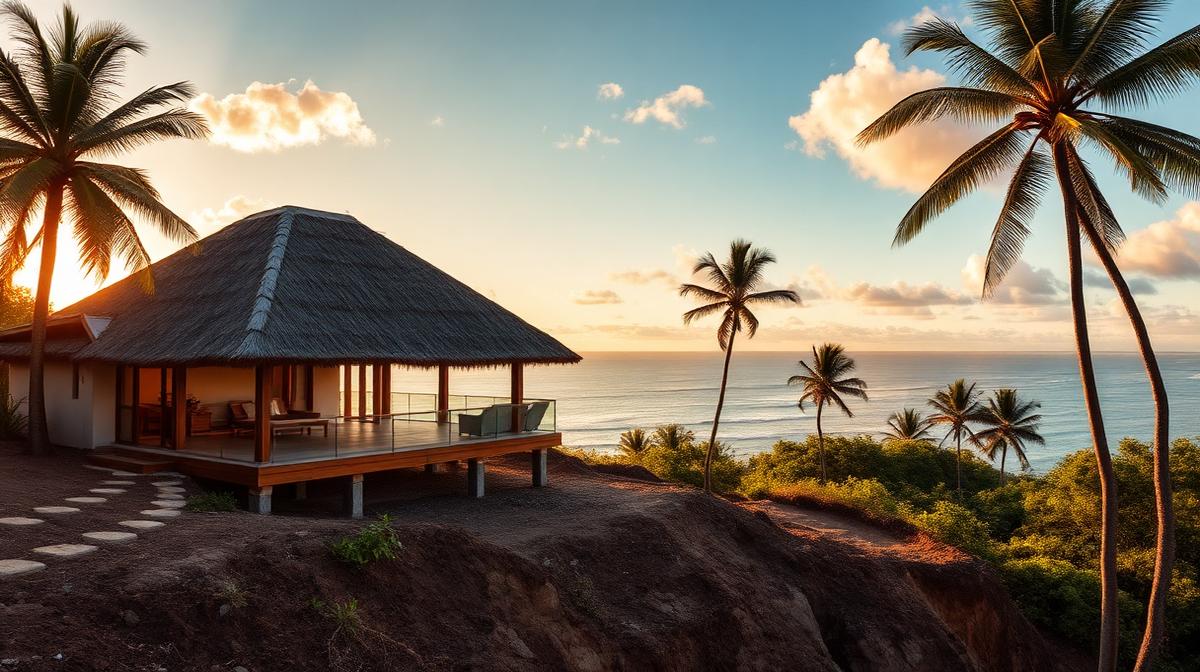
Investment Models That Work — The most successful investment strategies on Sumba fall into three categories. Land Banking: Purchase raw land in emerging areas at current prices, hold for 3-7 years as infrastructure and tourism develop, then sell at appreciation or develop. Entry point: $30,000-100,000. Historical returns: 15-25% annual appreciation in prime areas. Villa Development: Acquire land and develop 1-5 eco-luxury villas for short-term rental. The wellness and boutique hospitality segment commands ADRs of $200-800/night with 60-75% occupancy in peak season. Entry point: $150,000-500,000 including construction. Projected ROI: 15-22% annually. Hospitality Projects: Larger-scale resort or retreat development for investors with $500,000+ capital. First-mover advantage remains significant — Sumba has fewer than 20 internationally branded hospitality properties versus Bali's 3,000+.
Risk Assessment — No investment is risk-free. Key considerations include: regulatory changes to foreign ownership rules (historically these have liberalized, not tightened), land title complexity requiring expert navigation, construction costs and timelines that can exceed mainland estimates by 20-30%, currency fluctuation exposure (mitigated by USD-denominated rental income), and natural disaster risk (Sumba is outside the primary earthquake and volcanic zones). The critical mitigation strategy is working with experienced local partners who understand the regulatory landscape, community dynamics, and physical terrain.
The Sustainability Premium — ESG-aligned tourism assets consistently outperform conventional properties. On Sumba, this isn't just ethical — it's commercially essential. The island's appeal is its wildness, its culture, its unspoiled character. Developments that respect these qualities attract the highest-value guests and achieve the strongest returns. Developments that don't will face community resistance, regulatory scrutiny, and market rejection. The sustainability premium on Sumba isn't a marketing angle — it's the investment thesis itself.
Tax Considerations — Indonesia offers favourable tax treatment for property investment. Corporate tax rate for PT PMA entities is 22%. Rental income is subject to 10% final tax. Capital gains on property sales are taxed at 2.5%. There is no inheritance tax in Indonesia. VAT on property construction is 11% (with input credits available). Double tax treaties exist with most major investor countries. Consult with qualified Indonesian tax advisors — we can provide referrals.
Getting Started — The most common regret we hear from investors is: 'I wish I'd started six months earlier.' Every quarter that passes sees prices adjust upward in Sumba's prime areas. Our process is designed for efficiency: initial consultation to understand your objectives, curated parcel shortlist based on budget and investment strategy, site visits (we organise everything), legal entity formation and due diligence, and transaction execution and title transfer. The entire process — from first conversation to keys in hand — typically takes 3-6 months.